
Fire Extinguisher in Nepal

Foam Type Fire Extinguishers
Cease Fire 9 Liters AFFF Foam Type Fire Extinguisher.Rs. 0
Rs. 7,500-4% OFF
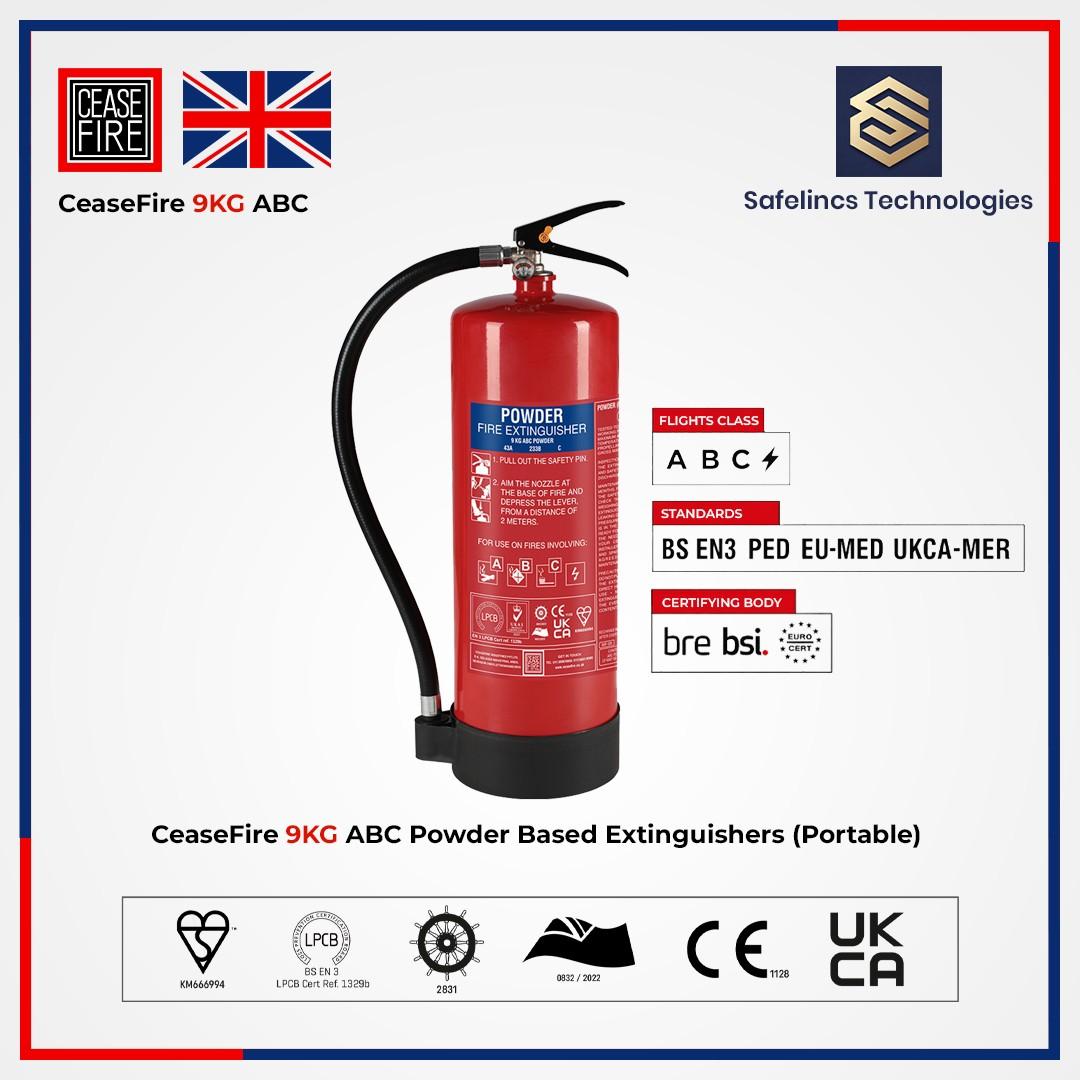
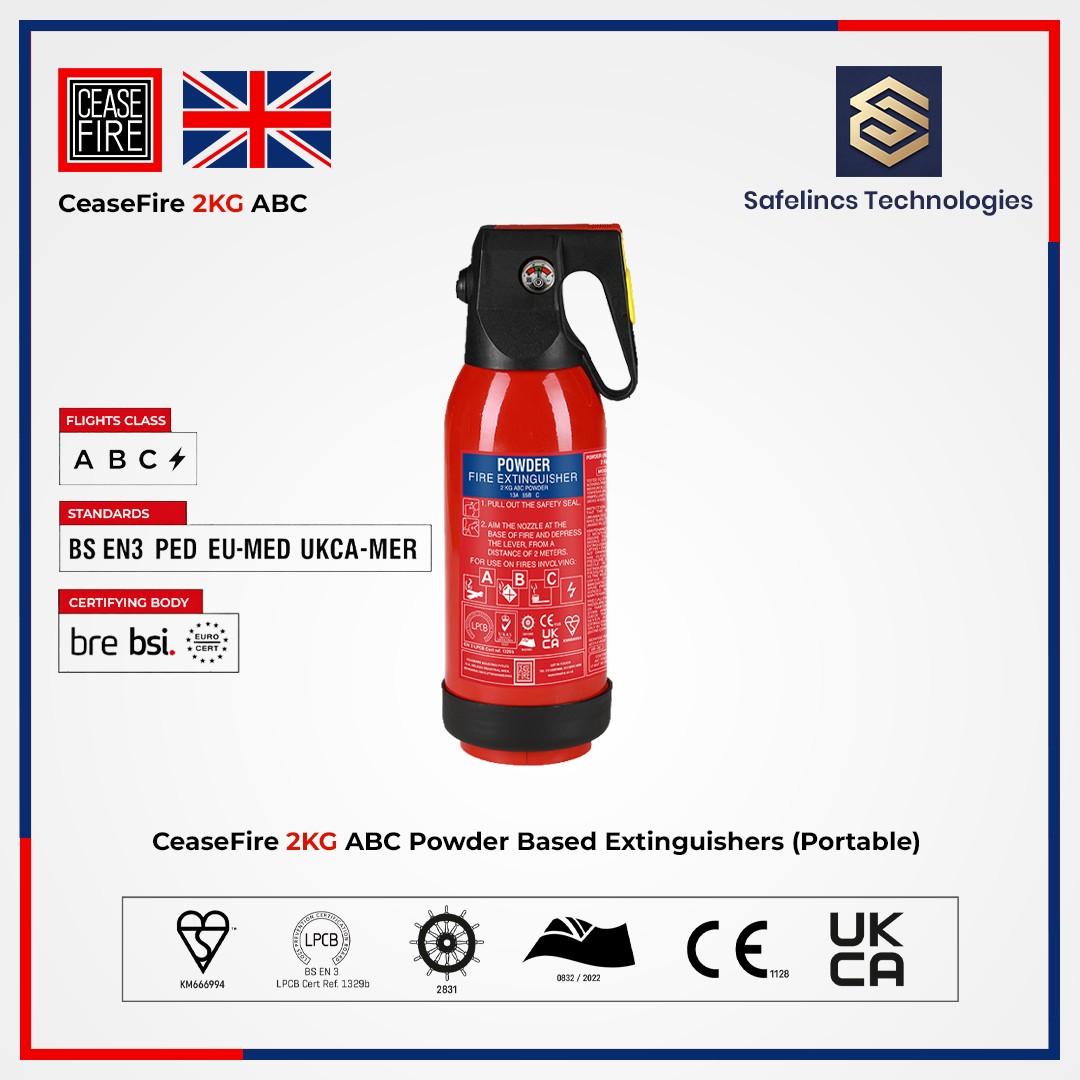
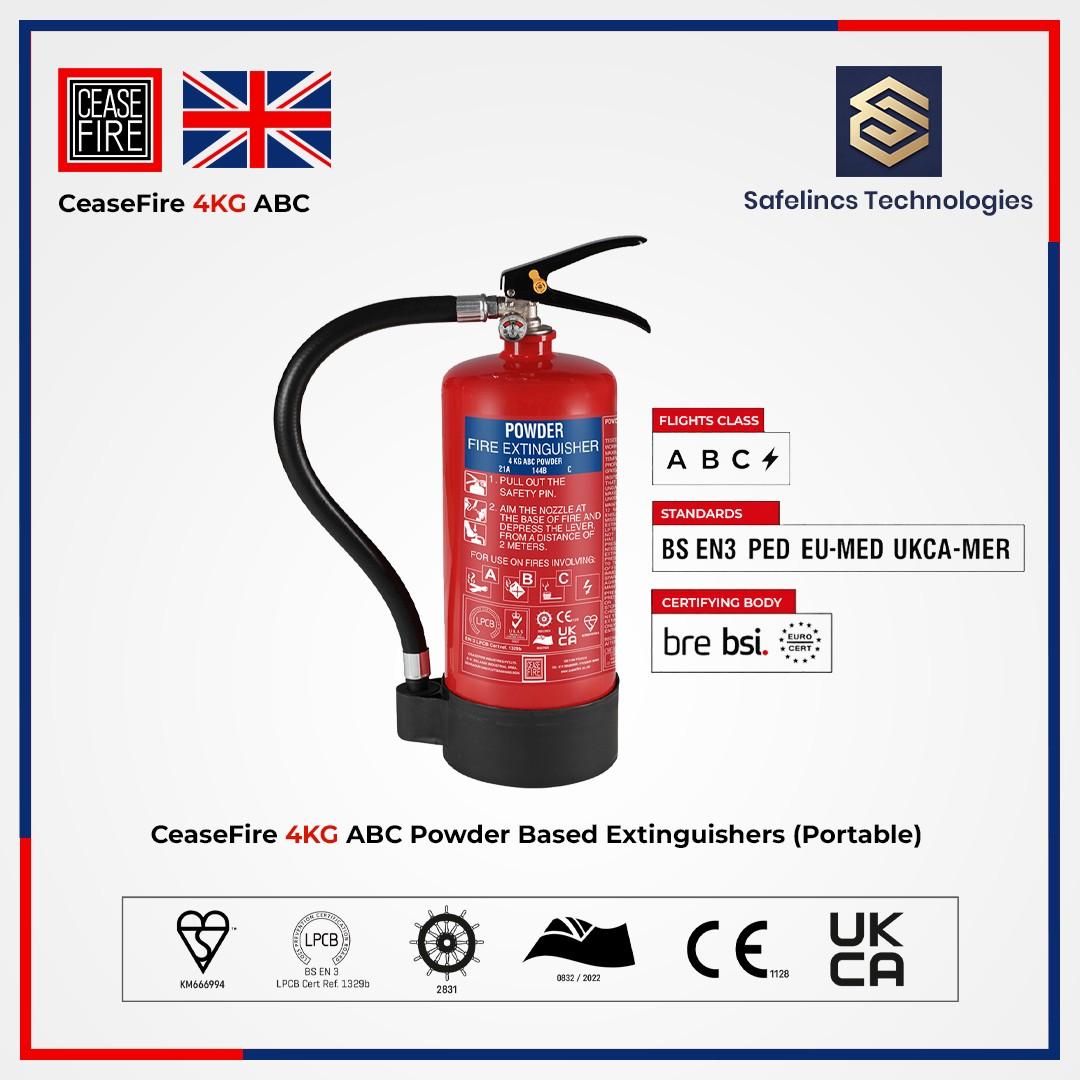
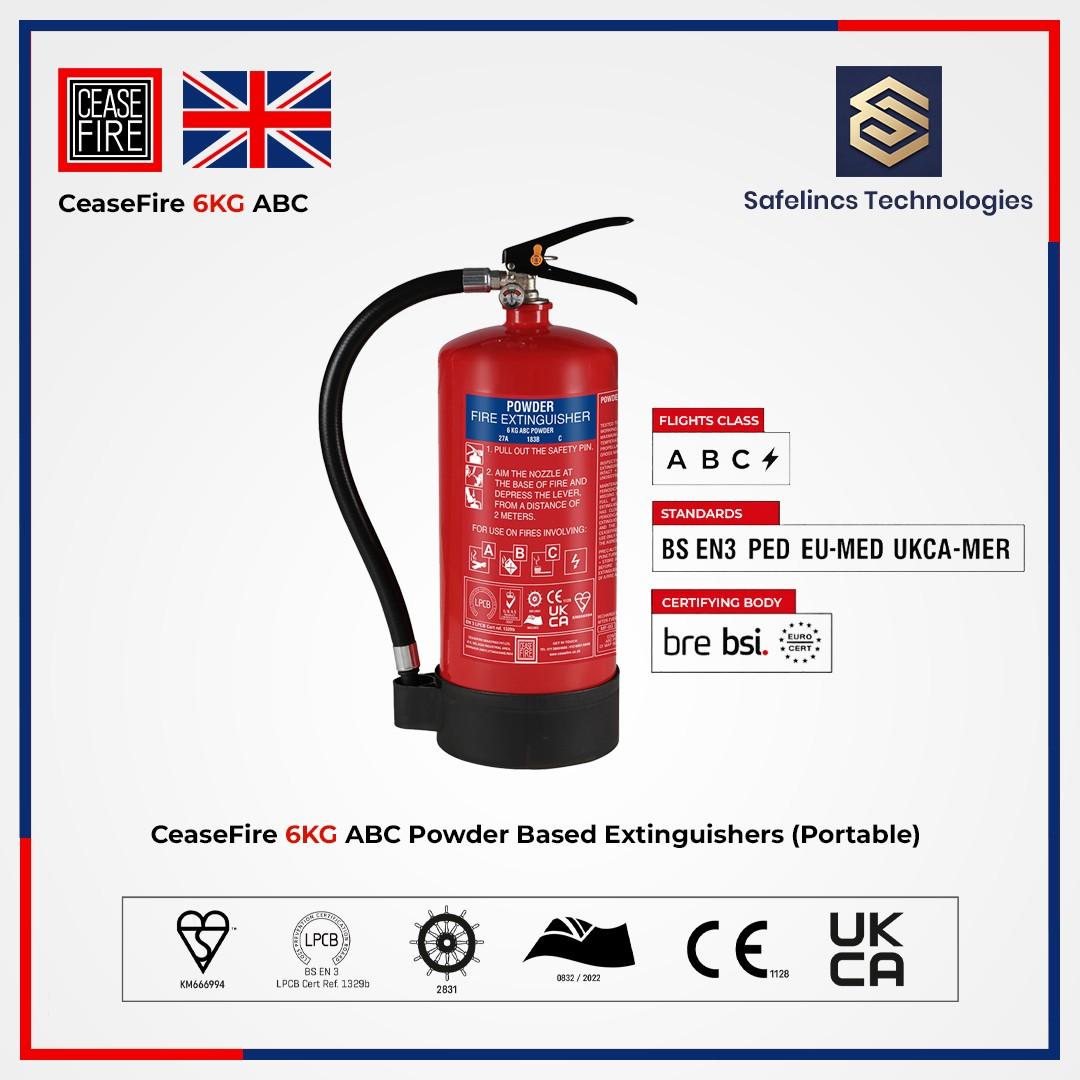
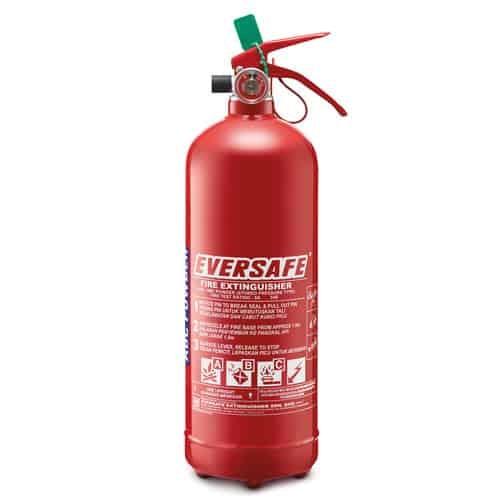
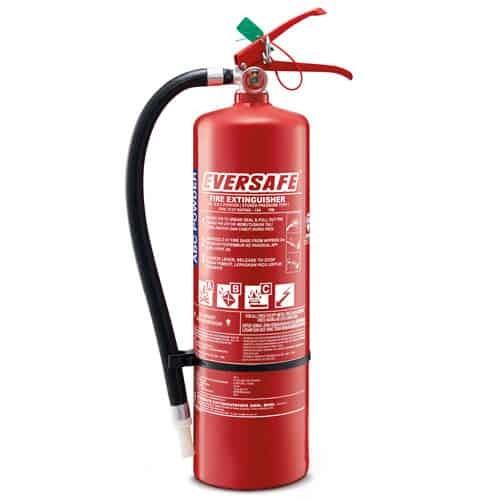
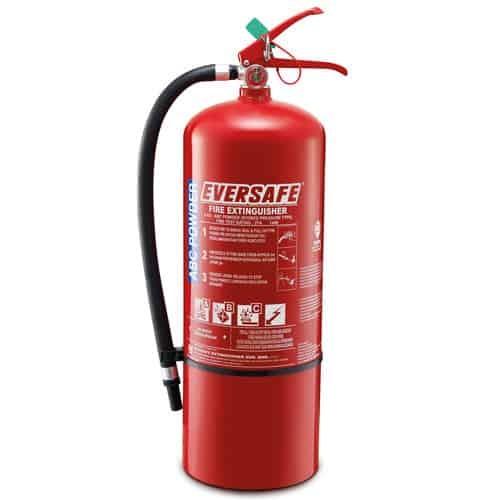
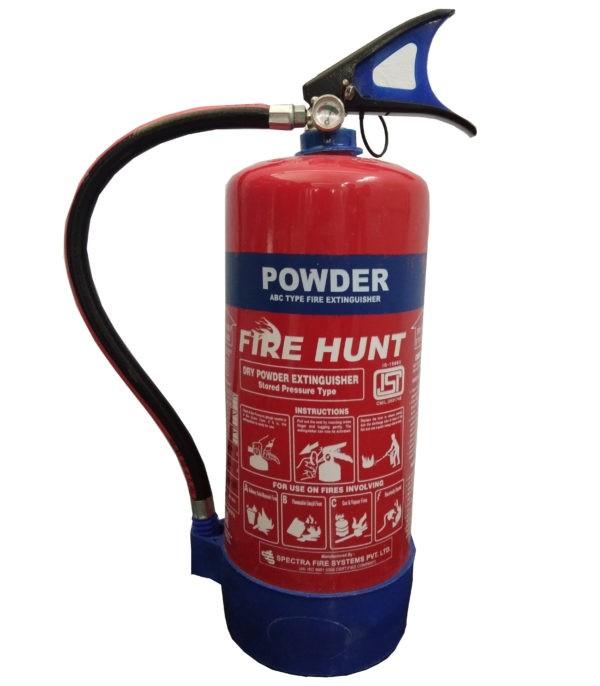
ABC Type Fire Extinguishers
4.5 KG Capacity ABC Type Fire Extinguisher in NepalRs. 4,200
Rs. 4,500-6% OFF
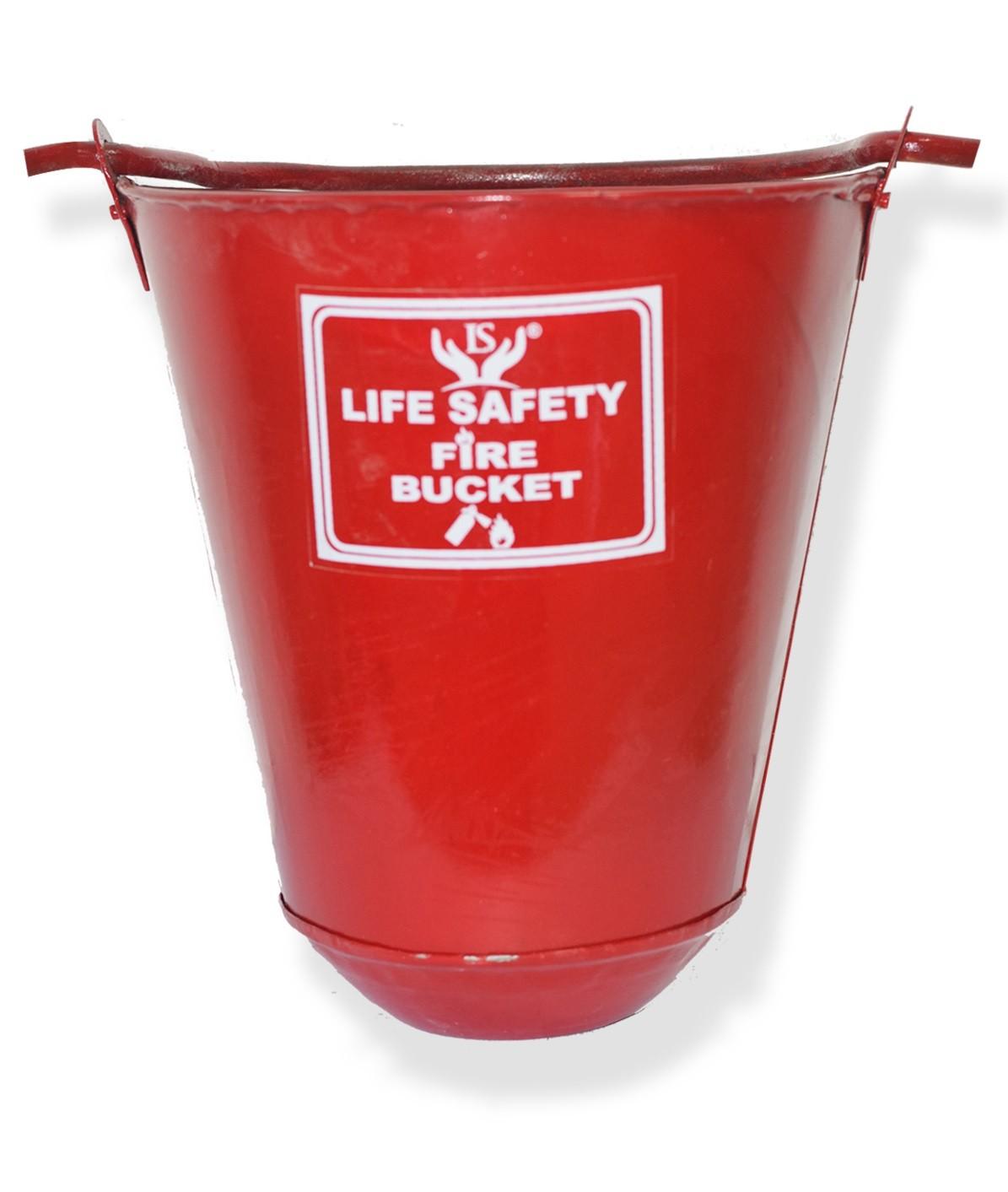
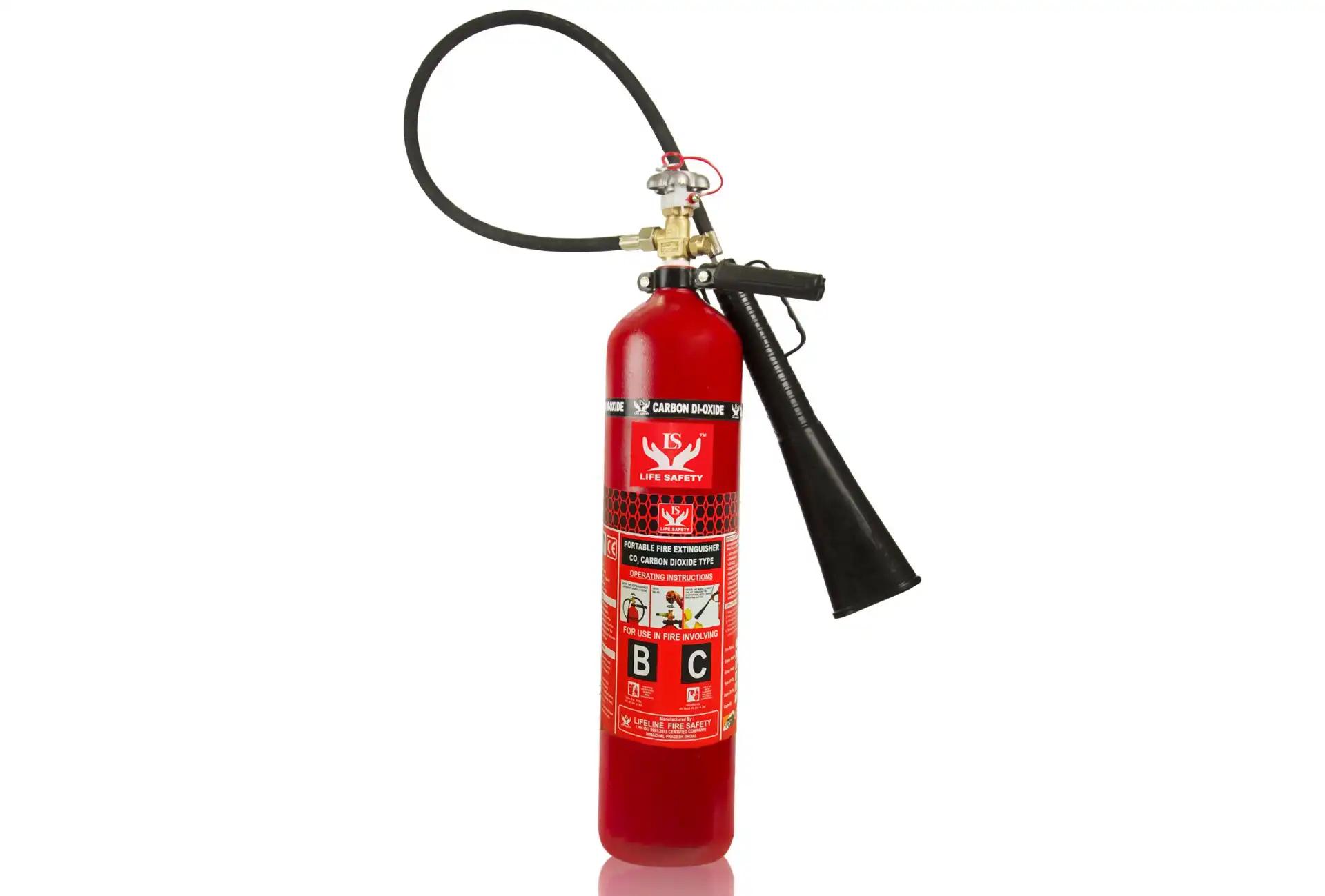
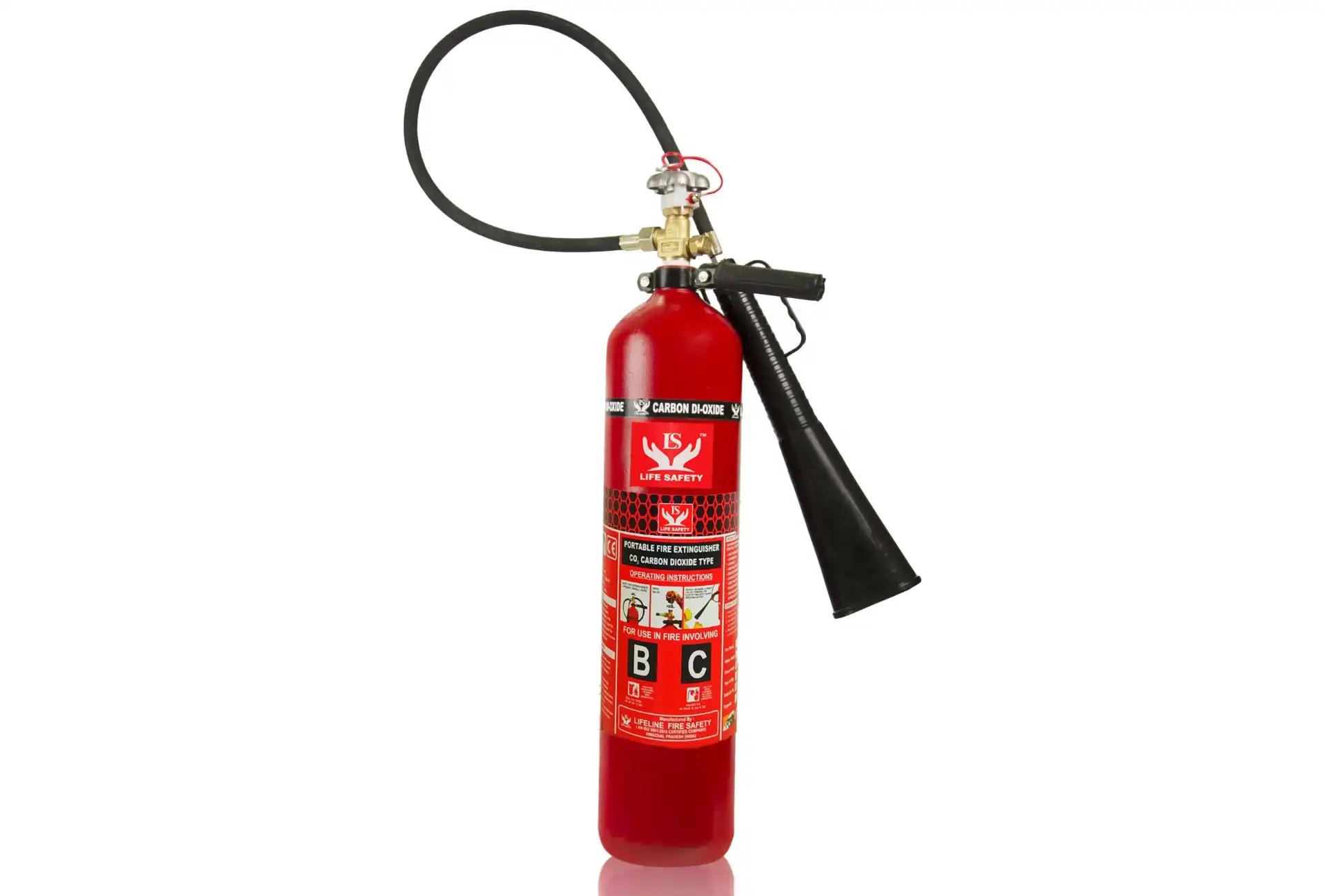
Fire extinguisher is a first-response fire suppression device designed to control a small, developing fire before it spreads. Choosing the correct fire extinguisher in Nepal requires more than comparing cylinder size or price. Fire class, extinguishing agent, fire rating, capacity, discharge characteristics, installation environment and product certification should all be considered.
Safelincs Technologies provides fire extinguishers for residential, commercial and industrial applications, including ABC dry powder, CO₂, foam, K-Type and clean-agent extinguishers. The fire extinguisher price in Nepal varies according to extinguisher technology, capacity, brand and technical specifications.
For broader building and workplace protection, Safelincs also provides a complete range of fire safety equipment, including fire detection, firefighting and emergency safety products.
How Does a Fire Extinguisher Work?
A portable fire extinguisher stores an extinguishing agent inside a pressure-resistant cylinder. When the operating mechanism is activated, pressure forces the extinguishing medium through the valve assembly and discharge outlet toward the fire.
A typical discharge sequence is:
Cylinder → Internal Pressure → Valve Assembly → Dip Tube → Hose/Nozzle → Extinguishing Agent Discharge
The exact operating mechanism varies according to extinguisher construction. Some units use stored pressure, while others use a separate cartridge to create the pressure required for discharge.
The extinguishing agent controls a fire by acting on one or more elements necessary for combustion, such as heat, oxygen or the chemical chain reaction. The method of suppression depends on the extinguishing medium used.
Portable extinguishers are primarily intended for small, early-stage fires. If a fire is spreading rapidly, producing heavy smoke, creating an explosion risk or blocking the escape route, evacuation and emergency response should take priority.
Technical Components of a Fire Extinguisher
Although the construction differs between extinguisher models, most portable fire extinguishers contain several important components.
Component | Technical Function |
Cylinder | Pressure-resistant container used to store the extinguishing medium |
Valve Assembly | Controls the release of the extinguishing agent |
Operating Lever | Opens the valve when the extinguisher is activated |
Carrying Handle | Allows the extinguisher to be carried and controlled |
Safety Pin | Helps prevent accidental activation |
Tamper Seal | Provides a visual indication that the safety pin has not been disturbed |
Pressure Gauge | Indicates pressure condition on applicable stored-pressure extinguishers |
Dip/Siphon Tube | Carries extinguishing agent from inside the cylinder toward the valve |
Discharge Hose | Helps direct the extinguishing medium |
Nozzle/Horn | Controls discharge direction and pattern |
Cylinder Label | Displays operating instructions, rating and technical information |
Mounting Bracket | Secures the extinguisher at the required installation position |
Not every extinguisher contains every component listed above. Pressure indicators, nozzles, horns and other components vary according to the extinguisher type and manufacturer.
Stored-Pressure vs Cartridge-Operated Fire Extinguishers
Fire extinguishers can also be classified according to the method used to generate discharge pressure.
1. Stored-Pressure Fire Extinguishers
In a stored-pressure fire extinguisher, the extinguishing agent remains under pressure while the unit is in service. When the operating lever is pressed and the valve opens, internal pressure forces the agent through the dip tube and discharge assembly.
Many stored-pressure extinguishers include a pressure gauge that provides a visual indication of the pressure condition of the extinguisher.
2. Cartridge-Operated Fire Extinguishers
A cartridge-operated extinguisher stores the pressurizing gas separately from the extinguishing agent. When the unit is activated, gas from the cartridge pressurizes the main cylinder and allows the extinguishing medium to discharge.
This type of construction may be used for certain industrial and heavy-duty firefighting applications.
Feature | Stored Pressure | Cartridge Operated |
Pressurizing Gas | Maintained within the main system | Stored in a separate cartridge |
Normal Condition | Unit remains pressurized | Pressure is generated during activation |
Activation | Operating valve releases agent | Cartridge provides discharge pressure |
Pressure Gauge | Available on applicable models | Depends on configuration |
Application | Common portable applications | Certain industrial applications |
Servicing | According to manufacturer requirements | According to manufacturer requirements |
Always check the individual manufacturer's technical datasheet before selecting an extinguisher.
Portable, Trolley-Mounted and Automatic Fire Extinguishers
Fire extinguishers can also be classified according to their installation and handling method.
1. Portable Fire Extinguishers
Portable extinguishers are designed to be carried and manually operated by an individual.
They are commonly installed in:
Homes
Offices
Retail shops
Schools
Hospitals
Hotels
Commercial buildings
Warehouses
Industrial facilities
The extinguisher's capacity, total weight and fire rating should be considered to ensure that it provides suitable fire protection while remaining practical for the intended user.
2. Trolley-Mounted Fire Extinguishers
Trolley-mounted extinguishers use larger cylinders installed on wheeled frames.
They may be selected when:
Greater extinguishing-agent capacity is required
Industrial fire hazards are present
Larger operational areas require protection
A portable handheld extinguisher may not provide sufficient capacity
Cylinder size alone should not determine the selection. Fire rating, extinguishing medium and actual site hazards remain more important considerations.
3. Automatic or Modular Fire Extinguishers
Automatic or modular extinguishers are positioned around a defined fire hazard and are designed to discharge automatically when their activation mechanism reaches its specified operating condition.
Activation temperature, coverage area, extinguishing agent and discharge method vary according to the product.
The manufacturer's technical specifications should therefore be checked rather than assuming that all automatic extinguishers operate at the same temperature.
Understanding Fire Classes Before Choosing an Extinguisher
The material that may burn is one of the most important factors when selecting a fire extinguisher.
Different fuels produce different fire characteristics, meaning an extinguisher suitable for one hazard may be ineffective or unsafe for another.
Fire Hazard | Typical Examples | Main Selection Consideration |
Ordinary Combustibles | Wood, paper, cloth and many plastics | Extinguisher rated for solid combustible materials |
Flammable Liquids | Petrol, diesel, solvents and paints | Agent suitable for flammable-liquid fires |
Flammable Gases | LPG and other combustible gases | Suitable extinguishing agent together with fuel isolation |
Electrical Equipment | Electrical panels, servers, wiring and machinery | Electrically appropriate non-conductive extinguishing method |
Cooking Oils & Fats | Deep fryers and commercial kitchen equipment | Specialist extinguisher designed for cooking-oil fires |
Combustible Metals | Magnesium and other reactive metals | Specialist metal-fire extinguishing agent |
Fire-class lettering can differ between standards. For example, electrical hazards and Class C classifications are treated differently under some international systems.
Therefore, extinguisher selection should always be based on the actual fire rating, certification and application stated on the product rather than relying solely on a generic fire-class letter.
Facilities with significant electrical equipment can compare dedicated CO₂ fire extinguishers and clean agent fire extinguishers.
Commercial kitchens should evaluate extinguishers specifically designed for cooking-oil and fat hazards, such as K-Type fire extinguishers.
What Is a Fire Extinguisher Rating?
The extinguisher type and fire rating are related, but they are not the same specification.
The extinguisher type normally identifies the extinguishing medium or technology used inside the unit.
The fire rating indicates tested firefighting capability against specified fire hazards according to an applicable testing standard.
When comparing extinguishers, check:
Applicable fire class
Fire rating
Extinguishing medium
Agent quantity
Discharge performance
Applicable certification
Intended application
A larger extinguisher does not automatically provide better protection against every type of fire.
Two extinguishers of similar capacity may have different fire ratings and therefore different tested firefighting capabilities.
Fire Extinguisher Capacity and Cylinder Size
Fire extinguisher capacity is generally specified in kilograms or litres depending on the extinguishing medium.
Common portable capacities include:
1 kg
2 kg
4 kg
4.5 kg
6 kg
9 kg
9 litres
Larger capacities and trolley-mounted configurations may be required for particular commercial or industrial applications.
Does a Bigger Fire Extinguisher Mean Better Protection?
Not necessarily, The appropriate extinguisher should be selected according to:
Fire hazard
Required fire rating
Extinguishing medium
Fire load
Area requiring protection
Number of extinguishers
Installation position
Travel distance
User handling capability
Applicable fire-safety requirements
For example, extinguishers with similar nominal capacities may have different discharge times, discharge distances, operating pressures and fire ratings.
Key Technical Specifications to Check Before Buying
When comparing fire extinguisher prices in Nepal, technical specifications should be evaluated alongside price.
Specification | Why It Matters |
Extinguishing Agent | Determines the fire hazards for which the extinguisher is suitable |
Fire Rating | Indicates tested firefighting performance |
Agent Capacity | States the amount of extinguishing medium contained |
Gross Weight | Determines overall handling weight |
Working Pressure | Indicates the extinguisher's designed operating pressure |
Test Pressure | Relates to cylinder pressure-testing requirements |
Discharge Time | Shows approximate duration of discharge |
Discharge Range | Indicates approximate effective reach |
Operating Temperature | Defines suitable environmental conditions |
Cylinder Construction | Influences strength, durability and corrosion resistance |
Valve Construction | Important for reliability and servicing |
Mounting Arrangement | Determines wall, stand, vehicle or trolley installation |
Certification | Identifies applicable testing or product approval |
Manufacturing Information | Supports identification and servicing records |
Serviceability | Important for inspection, refilling and replacement parts |
Specifications vary between brands and individual models. Always review the actual product specification before purchasing.
Types of Fire Extinguishers Available at Safelincs
Different extinguishing agents are designed for different fire hazards. Safelincs provides dedicated categories for the major extinguisher types so customers can compare capacities, brands, technical specifications and current prices separately.
1. ABC Fire Extinguishers
ABC fire extinguishers use dry chemical powder and are commonly selected where protection against several common fire hazards is required.
They are available in multiple capacities for residential, commercial and industrial applications.
2. CO₂ Fire Extinguishers
CO₂ fire extinguishers provide residue-free discharge and are commonly considered for appropriate electrical equipment and flammable-liquid fire hazards.
Individual product ratings should always be checked before selection.
3. Foam Fire Extinguishers
Foam fire extinguishers are designed for appropriate combustible-solid and flammable-liquid applications according to their product rating.
They are commonly considered for various commercial and industrial environments.
4. K-Type Fire Extinguishers
K-Type fire extinguishers are intended specifically for high-temperature cooking-oil and cooking-fat hazards.
They are particularly relevant for restaurants, hotels, institutional kitchens and other commercial cooking environments.
5. Clean Agent Fire Extinguishers
Clean agent fire extinguishers use extinguishing agents designed to minimise residue after discharge.
Depending on their individual rating, they may be selected where sensitive electrical or electronic equipment requires protection.
How to Select a Fire Extinguisher for Different Applications
The correct extinguisher should be chosen according to the actual fire hazards present within the location.
Application | Typical Hazards | Important Selection Factors |
Home | Cooking, electrical equipment and ordinary combustibles | Hazard type, manageable capacity and accessibility |
Office | Paper, furniture, computers and electrical equipment | Fire rating and electrical suitability |
Retail Shop | Stock, packaging and electrical equipment | Fire load, coverage and accessibility |
Restaurant | Cooking oils, LPG, electrical equipment and combustibles | Kitchen-specific fire hazard |
Warehouse | Stored materials, packaging and electrical equipment | Material type, fire load and coverage |
Server Room | Energized sensitive electronic equipment | Electrical suitability and residue considerations |
Factory | Machinery, processes, raw materials and electrical hazards | Site-specific fire-risk assessment |
Vehicle | Fuel, wiring and combustible materials | Fire rating, compact size and secure mounting |
A single facility may require multiple extinguisher types where different fire hazards exist.
For example, a commercial building may require portable extinguishers together with an appropriate fire alarm system and other fire fighting products as part of a wider fire-protection strategy.
Fire Extinguisher Installation and Placement Considerations
Correct installation is essential to ensure that an extinguisher can be accessed quickly during an emergency.
Fire extinguishers should generally be:
Clearly visible
Easily accessible
Properly mounted or secured
Free from obstructions
Protected against unnecessary physical damage
Located according to the identified fire hazard
Supported by appropriate identification signage where required
An extinguisher should not be positioned where a developing fire could prevent safe access to it. The number of extinguishers, travel distance, mounting position and distribution within a building should be determined according to the fire-risk assessment and applicable fire-safety requirements.
For larger facilities, portable extinguishers should form part of an integrated fire safety equipment strategy rather than being treated as an isolated protection measure.
Fire Extinguisher Inspection, Maintenance and Refilling
Fire extinguishers require inspection and maintenance to remain ready for emergency use.
Routine visual checks should include:
Accessibility
Physical damage
Corrosion
Leakage
Safety pin condition
Tamper seal
Hose and nozzle condition
Pressure indication where applicable
Operating instruction label
Mounting arrangement
Evidence of previous discharge
Professional servicing may include:
External inspection
Internal inspection where required
Pressure verification
Extinguishing-agent condition checks
Replacement of seals or damaged components
Refilling or recharging
Cylinder pressure testing where required
Updating service and maintenance records
Inspection, servicing, refilling and pressure-testing intervals should follow the manufacturer's instructions and applicable fire-safety requirements.
An extinguisher that has been discharged, even partially, should be inspected and correctly returned to service before it is relied upon again.
Fire Extinguisher Price in Nepal
The fire extinguisher price in Nepal varies according to the extinguisher's technical configuration and intended application.
Important factors affecting price include:
Extinguishing medium
Cylinder capacity
Fire rating
Brand
Cylinder construction
Working pressure
Certification
Portable or trolley-mounted configuration
Technical specifications
Because product availability and prices can change, customers should check current product listings instead of relying on an outdated fixed annual price list.
Fire Extinguisher | Capacity | Current Price |
1 KG | Rs. 1,980 | |
2 KG | From Rs. 2,720 | |
4 KG | Rs. 4,250 | |
4.5 KG | From Rs. 4,200 | |
6 KG | From Rs. 4,600 | |
2 KG | From Rs. 7,797 | |
4.5 KG | From Rs. 11,865 | |
9 KG | Rs. 23,200 | |
9 Litres | From Rs. 4,500 | |
K-Type | Rs. 15,262 | |
2 KG / 4 KG | Contact for Price |
Customers looking to buy a fire extinguisher in Nepal should first identify the relevant fire hazard and technical requirements before comparing prices.
Fire Extinguisher Standards and Certification
Product certification is an important factor when evaluating a fire extinguisher.
Depending on its manufacturer and intended market, an extinguisher may be manufactured and tested according to different national or international product standards.
Before buying an extinguisher, check:
Manufacturer name
Model number
Extinguishing medium
Agent capacity
Fire rating
Applicable product standard
Certification or approval markings
Working pressure
Test pressure
Operating temperature
Manufacturing information
Operating instructions
Service information
Product identification or serial number
Certification should be verified for each individual extinguisher rather than assuming every product or brand carries the same approvals.
Why Buy Fire Extinguishers from Safelincs Technologies?
Safelincs Technologies provides fire extinguishers for residential, commercial and industrial fire-protection requirements in Nepal. Customers can compare different extinguisher technologies, brands, capacities and technical specifications according to their specific application.
The available range includes ABC, CO₂, foam, K-Type and clean-agent extinguishers together with broader fire safety equipment and fire fighting products.
When selecting a fire extinguisher, fire class, fire rating, extinguishing medium, capacity, installation conditions and certification should be evaluated alongside price to identify an appropriate fire-protection solution.
Frequently Asked Questions
1. What information should I check on a fire extinguisher label?
Check the extinguishing agent, capacity, fire rating, operating instructions, applicable standard or certification, pressure information where provided, manufacturer details and product identification. The information varies between extinguisher designs.
2. How do I know which fire extinguisher is suitable for a particular fire risk?
First identify the material that could burn, such as solid combustible materials, flammable liquids, cooking oils, gases or energized electrical equipment. Then select an extinguisher whose fire rating and application are suitable for that hazard.
3. What is the difference between fire extinguisher capacity and fire rating?
Capacity indicates the amount of extinguishing agent in the cylinder. Fire rating represents tested firefighting performance against specified fire hazards. Two extinguishers with similar capacities can therefore have different ratings and performance characteristics.
4. What is the difference between stored-pressure and cartridge-operated extinguishers?
A stored-pressure extinguisher maintains its discharge pressure within the extinguisher system while it is in service. A cartridge-operated unit uses a separate pressurizing cartridge that is activated to provide discharge pressure. Exact construction varies by model.
5. What size fire extinguisher should I buy?
The appropriate size depends on the fire hazard, required fire rating, protected area, fire load, installation location and whether the intended users can safely handle the extinguisher. Capacity should not be selected independently of fire rating.
6. Can one fire extinguisher be used for every type of fire?
No. Different extinguishing agents are designed for different hazards. Using the wrong extinguisher can be ineffective and, in some situations, dangerous. Always check the fire rating and application before use.
7. How can I tell whether a fire extinguisher needs servicing?
Visible damage, corrosion, leakage, a broken tamper seal, missing safety pin, damaged hose, abnormal pressure indication or previous discharge are signs that the extinguisher should be inspected. Periodic professional servicing should also follow the applicable maintenance requirements.
8. What affects fire extinguisher prices in Nepal?
The fire extinguisher price in Nepal depends on the extinguishing agent, capacity, fire rating, brand, cylinder construction, certification and technical specifications. Compare the current product listing and technical datasheet before purchasing.