
WiFi Routers
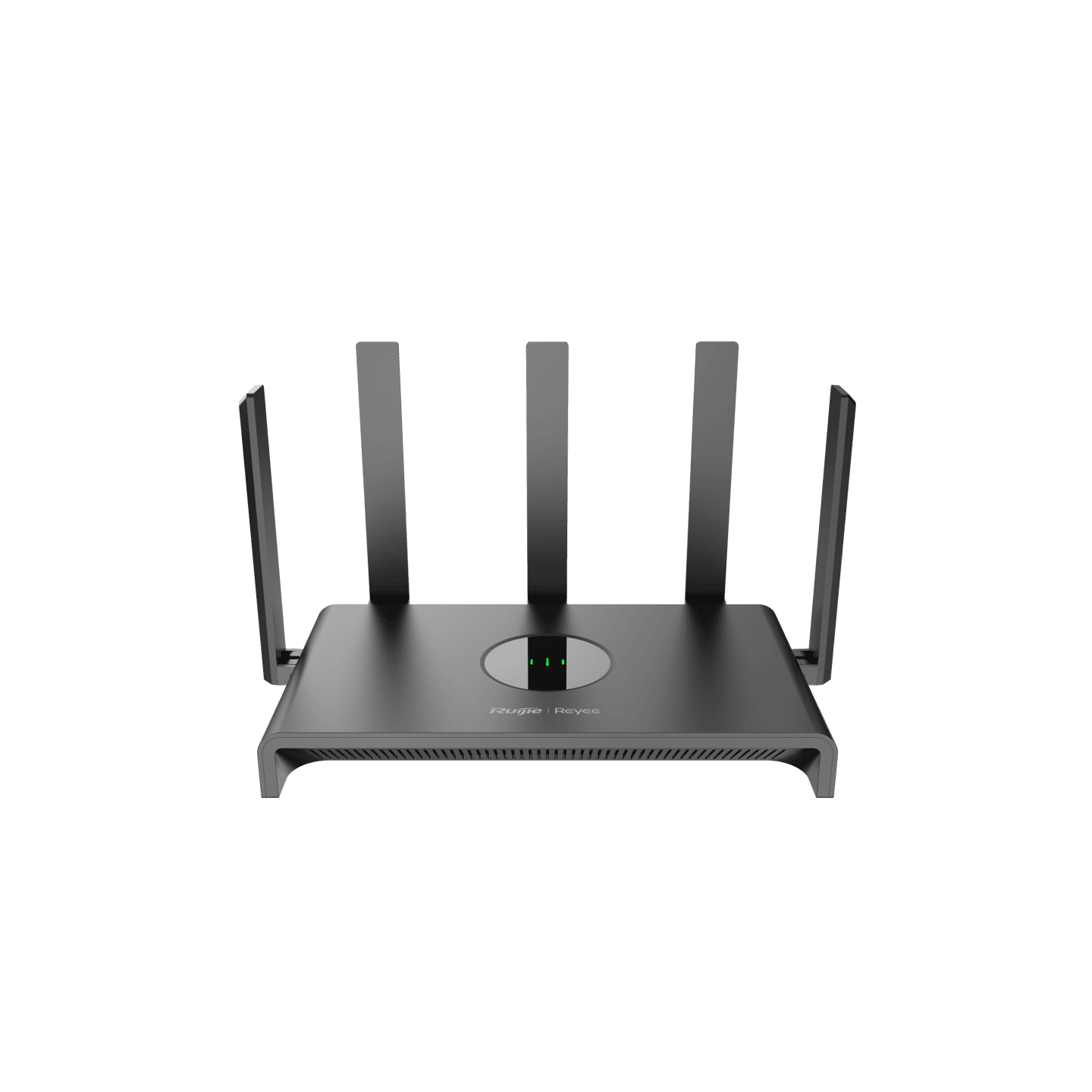
Reyee & Ruijie Routers Nepal
Buy RG-EW1300G 1300M Dual-band Gigabit Wireless RouterRs. 5,450
Rs. 6,500-16% OFF
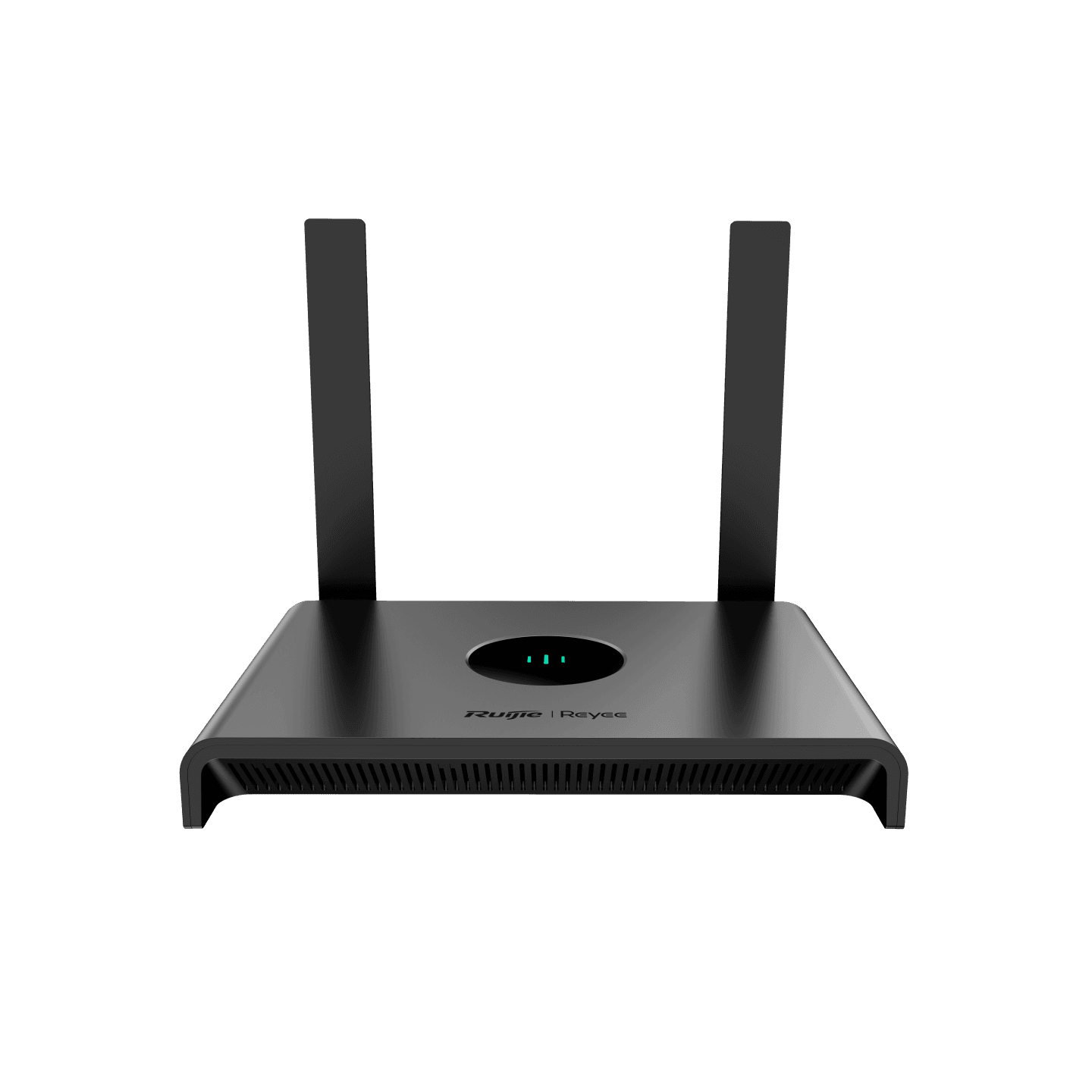


Reyee & Ruijie Routers Nepal
Ruijie Reyee RG-EW300 PRO 300Mbps Wireless Smart RouterRs. 3,500
Rs. 6,047-42% OFF

Reyee & Ruijie Routers Nepal
[RG-EW3200GX PRO] Ruijie Reyee RG-EW3200GX PRO 3200MRs. 16,900
Rs. 22,872-26% OFF


Reyee & Ruijie Routers Nepal
[RG-EW1200G PRO] Ruijie Reyee RG-EW1200G PRO 1300M Dual-band Gigabit Wireless RouterRs. 7,800
Rs. 8,403-7% OFF

Reyee & Ruijie Routers Nepal
Nepal RG-EW1200Ruijie-Reyee RG-EW1200 1200M Dual-band Wireless RouterRs. 4,100
Rs. 4,500-8% OFF
A reliable router is the foundation of any modern network, connecting multiple devices to the internet while managing data traffic between wired and wireless networks. At Safelincs Technologies, you can find WiFi routers in Nepal from trusted networking brands including Ruijie, Reyee, and MikroTik, designed for home networks, offices, enterprises, and specialized networking environments.
The WiFi router price in Nepal depends on various technical factors including wireless standard, frequency band, Ethernet port speed, processing capability, coverage range, security features, and network management options. Whether you need a basic home WiFi router, a dual-band router for high-speed connectivity, or an advanced business router, selecting the right device requires understanding its technical specifications and network requirements.
Explore our range of wireless routers in Nepal with detailed specifications, pricing options, and professional networking solutions.
Types of WiFi Routers Available in Nepal
Choosing the correct router depends on the network environment, number of connected devices, required bandwidth, and deployment purpose. Different router technologies provide different levels of performance, coverage, and management capabilities.
1. Single-Band WiFi Routers
Single-band routers operate mainly on the 2.4 GHz frequency band and are commonly used for basic internet connectivity requirements.
Technical characteristics:
Operates on IEEE 802.11n (WiFi 4) technology
Provides better signal penetration through walls
Suitable for basic browsing, email, IoT devices, and small networks
More affected by interference due to congestion in the 2.4 GHz spectrum
Usually available at an affordable WiFi router price in Nepal
These routers are suitable for users who require stable connectivity for limited devices but may not provide the performance required for high-bandwidth applications such as 4K streaming or large file transfers.
2. Dual-Band WiFi Routers
Dual-band routers support both 2.4 GHz and 5 GHz frequency bands, allowing devices to connect according to performance requirements. Some advantages of dual-band routers are:
Better wireless performance compared to single-band routers
Reduced interference by using the less congested 5 GHz band
Higher throughput for video streaming, gaming, and business applications
Support for modern wireless standards such as IEEE 802.11ac (WiFi 5)
The 2.4 GHz band provides wider coverage, while the 5 GHz band delivers higher speed with lower interference over shorter distances. For businesses and advanced home networks, dual-band routers provide better flexibility and network performance.
Key factors affecting WiFi router price in Nepal
The price of a WiFi router depends on its hardware capability and networking features. A router with higher wireless speed, gigabit ports, advanced security, and better processing capacity generally falls into a higher price category.
1. Wireless Standard
The wireless standard determines the maximum theoretical communication capability of a router.
WiFi Standard | Technology | Features |
WiFi 4 (802.11n) | 2.4 GHz / 5 GHz | Basic wireless connectivity |
WiFi 5 (802.11ac) | Mainly 5 GHz | Higher speed and improved throughput |
WiFi 6 (802.11ax) | 2.4 GHz / 5 GHz | Better efficiency for high-density networks |
A router advertised as AC1200 or AC1300 combines the theoretical speeds of multiple wireless bands and does not represent the actual internet speed delivered to a single device.
2. Frequency Band: 2.4 GHz vs 5 GHz
Modern wireless routers commonly support two frequency bands.
a. 2.4 GHz
Advantages:
Longer coverage range
Better wall penetration
Suitable for IoT devices and general browsing
Limitations:
More interference due to many household devices using the same frequency
Lower available channels compared to 5 GHz
b. 5 GHz
Advantages:
Higher wireless speed
Lower interference
Better performance for streaming, gaming, and business applications
Limitations:
Shorter coverage distance
Reduced penetration through obstacles
A dual-band router automatically allows users to balance coverage and performance depending on device requirements.
Gigabit WiFi Routers for High-Speed Networks
For modern networks, Ethernet port speed is an important factor when selecting a router.
Fast Ethernet vs Gigabit Ethernet
Port Type | Speed | Recommended Usage |
Fast Ethernet | 10/100 Mbps | Basic internet connections |
Gigabit Ethernet | 10/100/1000 Mbps | High-speed internet and business networks |
A router with gigabit WAN and LAN ports prevents network bottlenecks when using high-speed fiber internet connections. For office networks, enterprise deployments, and multiple connected devices, gigabit routers provide improved wired performance and better traffic handling.
Understanding Router Performance: MIMO, Antennas and Channel Width
Router specifications often mention features such as MIMO, antennas, and wireless speed ratings.
1. MIMO Technology
MIMO (Multiple Input Multiple Output) allows routers to use multiple antennas to transmit and receive data simultaneously.
Benefits include:
Improved wireless reliability
Better throughput
Increased efficiency with multiple connected devices
Common configurations include:
1×1 MIMO
2×2 MIMO
3×3 MIMO
4×4 MIMO
Higher MIMO configurations generally provide better performance when supported by client devices.
2. Channel Width
Wireless routers use different channel widths:
20 MHz
40 MHz
80 MHz
160 MHz
Wider channels can provide higher speeds but may experience more interference depending on the environment.
How to Choose the Best WiFi Router in Nepal?
Selecting the right router depends on the purpose of your network.
1. WiFi Router for Home
For home users, consider:
Number of connected devices
Internet package speed
Required coverage area
Streaming and gaming requirements
Smart home device connectivity
A dual-band WiFi router is generally suitable for modern homes with multiple smartphones, laptops, TVs, and IoT devices.
2. WiFi Router for Office and Business
Business networks require more than basic wireless connectivity. Important features include:
Gigabit Ethernet ports
Multiple SSID support
Guest network capability
VLAN support
VPN features
Advanced firewall controls
Centralized management options
For advanced business networking, explore professional networking solutions such as: Cambium Access Points for wireless coverage expansion and Ruijie Reyee Network Solutions for managed networking infrastructure.
WiFi Router for CCTV and IP Camera Networks
WiFi routers can support IP camera networks; however, proper network planning is important. For CCTV applications, consider:
Upload bandwidth requirements
Number of connected cameras
Wireless interference
Network stability
Wired connectivity requirements
For larger CCTV installations, a combination of routers, switches, and PoE infrastructure is recommended. Explore: CCTV PoE Switches Nepal and Network Switches Nepal
Ruijie, Reyee and MikroTik Routers in Nepal
Safelincs Technologies provides networking solutions from leading brands including Ruijie, Reyee, and MikroTik.
1. Ruijie and Reyee WiFi Routers
Ruijie and Reyee routers are designed for:
Home WiFi networks
Small businesses
Managed wireless deployments
Cloud-managed networking environments
Their product range includes wireless routers with features such as dual-band connectivity, gigabit Ethernet ports, and centralized management options.
2. MikroTik Network Routers
MikroTik routers are widely used for professional networking applications due to their advanced routing capabilities.
Common features include:
Firewall configuration
VPN support
Bandwidth management
VLAN configuration
Advanced routing protocols
These routers are commonly deployed in offices, ISPs, and enterprise networks.
WiFi Router Range and Coverage Factors
The actual coverage of a WiFi router depends on multiple environmental factors. Important factors include:
Building structure
Wall materials
Router placement
Wireless interference
Connected device density
Antenna configuration
A higher antenna count does not always guarantee greater coverage. Proper placement and network design are equally important. For large buildings, additional access points or mesh networking solutions may be required.
Buy WiFi Routers in Nepal from Safelincs Technologies
Choose from a range of WiFi routers in Nepal designed for homes, offices, and professional networking environments. Safelincs Technologies provides networking products from trusted brands with technical guidance to help you select the right router based on performance, coverage, and deployment requirements.
Explore available WiFi router prices in Nepal and find the right networking solution for your connectivity needs.
Frequently Asked Questions
1. What is the WiFi router price in Nepal?
The WiFi router price in Nepal varies depending on wireless standard, speed, brand, ports, and networking features. Basic routers are affordable, while advanced business routers with gigabit ports and management features cost more.
2. Which WiFi router is best for home use in Nepal?
The best WiFi router depends on internet speed, coverage area, and number of connected devices. Dual-band routers with gigabit Ethernet ports are generally suitable for modern homes requiring better speed and reliability.
3. What is the difference between a single-band and dual-band WiFi router?
A single-band router operates mainly on 2.4 GHz, while a dual-band router supports both 2.4 GHz and 5 GHz frequencies. Dual-band routers provide better performance for high-speed applications and multiple devices.
4. How many devices can connect to a WiFi router?
The number of supported devices depends on router hardware, wireless standard, bandwidth, and network traffic. Entry-level routers are suitable for fewer devices, while business routers support larger deployments.
5. Does a higher Mbps router provide faster internet?
Not necessarily. Mbps ratings represent theoretical wireless capacity. Actual speed depends on internet bandwidth, device capability, interference, distance, and network configuration.
6. Should I buy a WiFi 5 or WiFi 6 router?
WiFi 6 provides improved efficiency in high-density environments, but the right choice depends on device compatibility, budget, and network requirements.